|
| Hu (left) gives her mentor (He) a letter written in nushu |
Nushu (女书) is a form of calligraphy that only women in Jiangyong county in Hunan province know about. It doesn't look like typical Chinese characters, but lots of curved strokes rather than straight ones and in general look thin and narrow.
And unlike Chinese characters where each word represents a noun, verb or idea, nushu is phonetic, with each of the 600-700 characters representing a syllable.
It's not clear when nushu began, but it was a form of communication between women who wrote these letters to each other in a secret language. Most of these letters were depressing, recounting how they were physically or verbally mistreated by husbands, and replies were often words of comfort and reminding her she was not alone. The words were mostly learned through singing nushu songs.
 |
| Each of the characters represent syllables |
Before 1949 when the horrific practice of foot binding was practiced, women were confined to the home. There are no records of old nushu texts or letters because when the woman died, her writings were buried or cremated with her.
An Oscar-nominated documentary looks into nushu and the conundrum of keeping it relevant in today's world.
Called
Hidden Letters, the film introduces three women who are nushu practitioners, two relatively young, and an older woman who is a mentor to one of them.
However, like most Chinese movies, nushu is obliquely explained and doesn't go into how the writing style was developed or the meanings of the words. Perhaps it is too difficult to explain or go into, but this is what I felt was the most frustrating part of the film!
One woman is Hu Xin in her thirties, who is lauded by the county and national governments for her contributions to nushu culture; her father is proud of her accomplishments but Hu doesn't care -- all she wants to do is continue learning as much as she can from her elderly mentor He Yanxin.
 |
| Hu wants to keep the nushu culture relevant today |
Hu is a guide of the nushu museum in Jiangyong, and while she tries to educate visitors about nushu, they have no understanding of how the language works. Perhaps Hu just wants it to remain a secret language among women as per the tradition?
The government officials she encounters -- all men -- believe the best way to keep nushu alive is to commercialise it -- even having ribbons with "belt and road" written in nushu calligraphy and selling them.
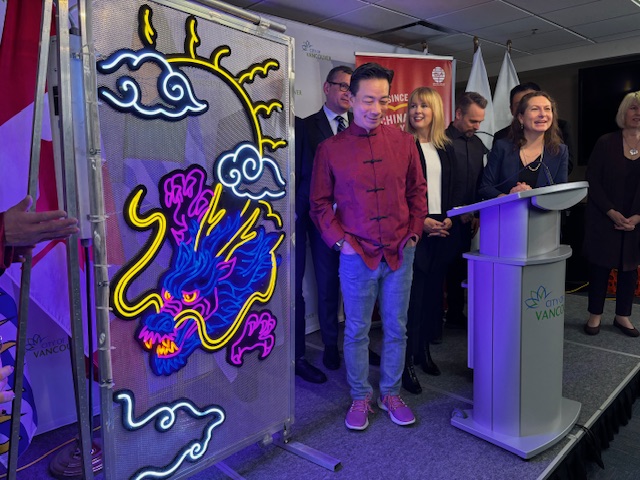
Most amusing is the opening ceremony of a nushu exchange centre and all the presiding government officials are men...
Wu Simu is a young woman in her twenties in Shanghai who is actively teaching young girls nushu songs and likes to write calligraphy. She is engaged to a man and in one scene he explains soon after they met she gave him a letter written in nushu and challenged him to translate it.
He did it in one day and recites the poem on camera, which sounds very romantic, about soulmates meeting and being together forever.
 |
| Wu loves practicing nushu calligraphy |
But when she meets her future in-laws and he talks more seriously about how they need to focus on buying a home and paying the mortgage and not her nushu hobby, Wu wonders if this is the life she wants to live.
Hu reveals she was married before, but didn't fulfill her husband's expectations of what he thought a wife should do; but she hopes there is still someone out there who will satisfy her intellectually.
In general Hidden Letters is a slow-moving movie, much like life in the rural areas, where people still live in old tiled homes and pump water to cook and clean. There are scenes in the city to show how fast-paced and cosmopolitan it is, but in the end women are still treated like second-class citizens, under pressure to not only have a career, but also look after their husband, children, parents and in-laws. It's an impossible task with high expectations.
There is a lot of calligraphy writing, but again no understanding of what the characters are, though the songs which are sung throughout the film are translated into English.
Despite not knowing more about the language, Hidden Letters is refreshing in seeing the world through these women's eyes, telling their stories and getting a sense of who they want to be and to live with purpose through nushu culture. As Wu says, it is nushu that guides her, and she feels this is the right path to follow.
89 minutes
Directed by Violet Feng Du and Zhao Qing
Written by Violet Feng Du and John Farbrother