Showing posts with label Fukushima. Show all posts

Thursday, July 3, 2025

Earthquake Prediction in Japan Scares HK Tourists


An earthquake prediction has scared HK tourists to Japan


Last year a friend told me about a prediction that there would be a massive earthquake in Japan on July 5 -- an exact date.

Luckily I had already planned to go to Tokyo in March -- and was perhaps even luckier to miss the 7.7-magnitude earthquake in Bangkok by two weeks. 

The March 2011 prediction did come true
The prediction, which was published in 2021, is from a manga artist, who had forewarned of a major disaster on March 2011, which was when an earthquake caused the Fukushima nuclear accident.

As a result of the upcoming July date, a lot of Hong Kong tourists did not plan to go to Japan these few days, and bookings for flights and hotels were down.

Because of this, Hong Kong Airlines has cancelled flights to two Japanese cities in July and August, citing sluggish demand.

However, there are some tourists in Japan who had no idea about this prediction and shrug, while others take no stock in what a manga artist thinks will happen with no scientific evidence.

And people who study earthquakes say it's impossible to predict them, while the Japanese Meteorological Agency has warned of an 80 percent chance of a large-scale shock measured at a magnitude of 8 or 9 would occur along the Nankai Trough running along the country's east coast in the coming 30 years...

HK tourists plan travel to Japan after mid-July
But things are looking up -- Hong Kong travelers are looking to visit Japan from mid-July onwards.

"Travellers may consider that it will be safe after that date," said Tommy Tam Kwong-shun, managing director of a travel agency. He believed the demand would soon recover, as Hongkongers love going to Japan and people will come when they feel it's safe to travel there.

The Japan National Tourism Organisation's figures show overall foreign arrivals increased by 21.5 percent, a historic high for May, though Hong Kong was the only place that had fewer visitors to Japan in that period.

The organisation attributed the drop in Hong Kong visitors to "information that an earthquake was occurring in Japan spreading on social media".


Monday, January 27, 2025

Calls to End Japanese Seafood Bans in HK


When will Hong Kong finally lift Japanese seafood bans?

Since August 2023, Hong Kong and China have imposed restrictions on Japanese seafood after Tokyo decided to start releasing 1.34 million tonnes of treated waste water that was used to cool down the Fukushima nuclear power plant that was damaged in a 2011 earthquake and subsequent tsunami.

While China has a blanket ban, Hong Kong does not allow seafood from Tokyo, and the prefectures of Fukushima, Chiba, Tochigi, Ibaraki, Gunma, Miyagi, Niigata, Nagano and Saitama.

Daily testing has not found any abnormalities
Hong Kong is the second-largest market for Japanese seafood, behind China, which in 2022 imported US$558.9 million, and Hong Kong (US$484 million).

But despite testing seafood daily, the Hong Kong authorities have not found any abnormalities in the concentration of hazardous elements, such as tritium, caesium-137 and strontium-90.

The seafood bans and the weak yen prompted lots of sushi fans to fly from Hong Kong to Japan to eat their favourite fish -- even in the above mentioned places that were banned.

It also caused several Japanese restaurants in Hong Kong to shut down, unable to import authentic ingredients vital to their business.

Simon Wong Ka-wo, president of the Hong Kong Federation of Restaurants and Related Trades, said a review of the ban was long overdue. 

"People travel to Japan to eat seafood there. That makes a mockery of the import ban," he said.

Hongkongers have gone to Japan to eat seafood
He urged the government to review the ban and resume imports as early as the first quarter of this year.

But government food safety adviser Dr Vicki Fong Lai-ying remained cautious.

"It is fine to keep strict monitoring of safety for better protection of public health," she said.

"There is a high risk that the contaminated and polluted water could be passed to the ocean, which may in turn affect the food chain."

Lawmaker Steven Ho Chun-yin, who is deputy chairman of the Legislative Council's food safety and environmental hygiene panel, agreed, saying the government should not relax the ban until "there is reasonably sufficient reliable information made available that the seafood there is safe to consume".

How much more data is needed? Surely by now -- 14 years later -- there would be evidence of radiation affecting seafood by now. And besides, Japan's own Food Safety Commission has even more stringent radiation standards than Hong Kong.

What gives?

Saturday, September 21, 2024

Japan to Gradually Restart Seafood Exports to China


Chinese consumers can start eating Japanese seafood soon


Since August 2023, the Hong Kong government has been testing and reporting the quality of seafood from Japan following the country's decision to release contaminated wastewater from the Fukushima nuclear plant that had a meltdown in 2011.

Water was used to cool the reactors and it could not be contained much longer, so Japan got the approval from the UN atomic agency to release the water into the Pacific Ocean, claiming it was safe. 

China banned all Japanese seafood in Aug 2023
However, China begged to differ and banned all Japanese seafood imports; Hong Kong decided to ban seafood imports from specific areas of Japan -- some were even landlocked areas.

Everyday the Hong Kong government would release a report on the tested seafood products for harmful radiation, including fish, seaweed and sea salt, and they were "all satisfactory".

But now over a year later, China has decided to "gradually resume" importing seafood from Japan.

"China will begin to adjust the relevant measures based on scientific evidence and gradually resume imports of Japanese aquatic products that meet the regulation requirements and standards," a foreign ministry statement said.

Apparently Chinese and Japanese officials have been having "multiple rounds of consultations" on the discharge of wastewater from the Fukushima Daiichi nuclear power station. 

Hong Kong banned some seafood
China said Japan had committed to "fulfilling its obligations under international law, doing its utmost to avoid leaving [a] negative impact on human health and the environment, and conducting continuous evaluations of the impact on the marine environment and marine ecosystems".

However, despite the gradual resumption of Japanese seafood imports, China still "resolutely opposes" Japan's discharge of the waste water from the nuclear plant.

Nevertheless, that didn't stop mainlanders and Hongkongers from going to Japan to eat lots of sushi and sashimi... 

In any event, the Japanese government may be relieved to restart exporting its seafood to China -- in 2022 over US$500 million worth of seafood was exported there.

Wednesday, November 22, 2023

Japanese Restaurants in HK Struggle to Survive


Hongkongers now go to Japan for food at cheaper prices

It is really sad to read that Japanese restaurants in Hong Kong are being decimated by the government's ban on importing Japanese seafood from specific prefectures for fear of contamination from the release of radioactive water from the Fukushima nuclear power plant.

Almost one-third of all Hong Kong's Japanese restaurants have shuttered this year not only because of the ban, but also the drop in tourism in the city.

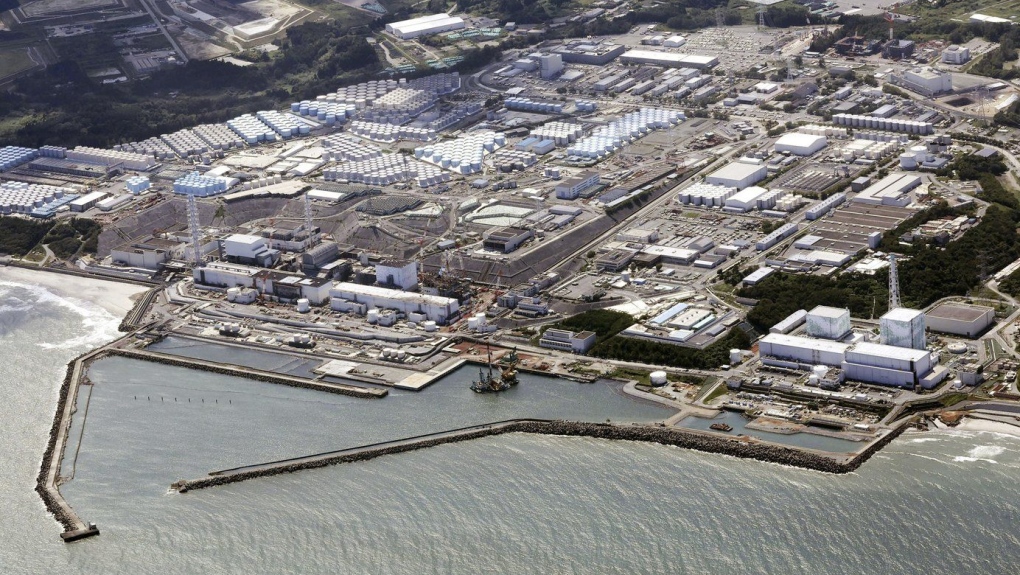
Radioactive water is being released at Fukushima
High-end omakase restaurants are hit the hardest, as Hongkongers are opting to head to Japan to take advantage of the low yen and eat there instead.

It was the complete opposite during the Covid-19 pandemic, when diners had no choice but to patronise Hong Kong-based restaurants.

It used to be that the city had the most Japanese restaurants outside of Japan with 1,400 as of last year, but now many of them located in Causeway Bay and Tsim Sha Tsui have closed.

If people aren't traveling to Japan, they are certainly ordering the seafood online from prefectures not affected by the ban, and isn't very expensive.

Or they are throwing caution to the wind and eating in the banned prefectures, which include Tokyo.

Michelle Chiu of global real estate service JLL, said she noticed a trend of Japanese and Western restaurants having to close down or change their business operations to stay alive.

High-end omakase restaurants being hit hardest
"Some of our clients who operate omakase restaurants need to switch to more affordable meals," she said, adding her restaurant clients had found business was "worse than during the pandemic".

Hopefully the employees of restaurants that have shut down have found work elsewhere... parlaying their experience into something else! Other restaurants could use a helping hand or two...


Thursday, August 24, 2023

Hong Kong Starts Ban on Japanese Seafood


How will Japanese restaurants in Hong Kong survive?

Japan has begun releasing 1.32 million metric tonnes of treated radioactive wastewater from the Fukushima nuclear power plant, and in response the Hong Kong government has banned seafood imports from 10 prefectures, though four of them are landlocked.

This question was raised by the media in a press conference, but Deputy Secretary for Environment and Ecology Anthony Li explained it was to take a "precautionary and prudent approach to ensure food safety."

Li warns of taking safety precautions
He mentioned the original nuclear disaster caused by an earthquake and tsunami 12 years ago -- so why implement the ban now and not 12 years ago until now?

Meanwhile the IAEA has said the treated water is at a safe standard, but researchers who track the discharge of wastewater believe that other solutions were not considered, including holding the wastewater for a few more decades so that the radioactivity would have been further dissipated by then.

Nevertheless the Hong Kong government is bringing out all its experts to pile on the reasons why residents should not eat Japanese seafood, but hey, by all means you can purchase it in Japan and bring it back for your own consumption! But if you try to sell it, the transaction could be illegal without any law or regulation cited. 

And the Permanent Secretary for Environment and Ecology (Food) Vivian Lau is unclear when the ban will end.

This is Hong Kong's way of trying to convince the public to boycott Japanese goods, but they love the Land of the Rising Sun too much to do that, particularly young people and gourmets who enjoy the cuisine, cartoons and culture.

But Hong Kong is only following Beijing's lead because up until this point there was no specific directive in stopping people from going to Japan or consuming its products.

Japan has begun releasing wastewater into sea
Hurt the most will be Japanese restaurants in Hong Kong, of which there are many, serving ingredients from Japan since it is relatively close by. It's not just exclusively Japanese restaurants, but many Western ones also source ingredients from Japan because of its quality and proximity.

This makes it even harder for these restaurants to stay afloat after barely surviving the Covid-19 pandemic for three years with endless restrictions that were constantly changing.

It will not be surprising to see this sector further decimated in the coming weeks and months...


Sunday, July 16, 2023

Testing Hongkongers' Love of Japan


The HK government threatens to ban Japanese seafood

Hongkongers love all things Japanese, in particular the food.

But as Japan plans to release 1.3 million tonnes of treated but still radioactive water that was used to cool the Fukushima Daiichi nuclear power station since 2011, this will test even the most ardent fans of all things Japanese on whether they will dining on the cuisine or not.

Already Japanese restaurants in Hong Kong are seeing a plunge in business and expect it to fall even further once Japan actually begins releasing the water into the Pacific Ocean.

Japan to release radioactive water into ocean
The Hong Kong government has plans to ban seafood imports from the country, which could result in up to 30 percent of Japanese restaurants shuttering in the city.

The government doesn't plan to compensate these businesses either if it does go ahead banning seafood imports.

"We deliberately notified the catering sector early on so restaurants would have more time to look for providers outside the prefectures facing our ban and maintain their business accordingly," said Secretary for Environment and Ecology Tse Chin-wan.

The ban includes all live, frozen, chilled, dried and preserved seafood, sea salt, seaweed, and other derivative products.

What's amusing is that the long list includes places that are landlocked: Gunma, Tochigi, Nagano, and Saitma.

Several areas on the HK ban list are landlocked
Nevertheless, Japanese restaurants are more concerned about shipments not being reliable and looking for other alternatives that may be more costly.

The Japanese government has hit back on accusations by China that the radioactive water is dangerous by releasing its own research on nuclear power stations in China releasing radioactive water that is even more dangerous than that at Fukushima.

For example at Qinshan Phase III N-plant, about 143 trillion becquerels were released in 2020, and Yangjiang N-plant in 2021 released 112 trillion becquerels, whereas the Fukushima Daiichi nuclear power station plans to release treated water with 22 trillion becquerels. 

However, the Chinese raised health concerns first, making it harder for Japan to change the court of public opinion.

Will this turn off people's forever from Japanese seafood?

Everyone waiting with baited breath...

VIFF -- Review: Our Mr. Matsura

Matsura (right) with a local in Okanogan County Frank (Sakae) Matsura, was the son of a Samurai in Hirado, Japan, but by the time he was gro...